
kristiancarnah
About kristiancarnah
Exploring Pure Treatments For Consuming Disorders: An Observational Research
Consuming disorders (EDs) encompass a range of psychological conditions characterized by abnormal consuming habits, which might result in extreme physical and emotional consequences. Traditional treatment modalities often embrace psychotherapy, medication, and nutritional counseling. Nevertheless, there is a rising curiosity in natural treatments that may complement conventional approaches. This observational research goals to explore varied natural treatments for eating disorders, focusing on their efficacy, accessibility, and the experiences of individuals who have utilized these methods.
Understanding Consuming Disorders
Consuming disorders, including anorexia nervosa, bulimia nervosa, and binge-consuming disorder, have an effect on thousands and thousands worldwide. These conditions typically arise from a complex interplay of genetic, environmental, and psychological elements. If you loved this short article as well as you want to obtain more details concerning erectiledysfunctiontreatments.online kindly visit our internet site. People suffering from EDs might experience distorted physique image, excessive concern about weight, and unhealthy eating patterns. The consequences of these disorders will be dire, leading to extreme well being complications and, in extreme instances, demise.
The Shift In direction of Pure Treatments
In recent times, there has been a noticeable shift towards exploring pure treatments for various health conditions, together with consuming disorders. Natural treatments can include dietary modifications, natural supplements, mindfulness practices, and holistic therapies. This shift is partly because of the want for extra personalized care and the idea that natural methods could supply fewer side effects compared to pharmaceuticals.
Methodology
This observational research concerned a various group of individuals who’ve sought pure treatments for their eating disorders. Members have been recruited via online forums, support teams, and wellness centers. Information have been collected by means of semi-structured interviews, allowing members to share their experiences, feelings, and outcomes associated to pure treatments.
Contributors
The examine included 30 contributors, aged 18 to 45, who recognized as having experienced an eating disorder. Amongst them, 20 were feminine, and 10 have been male. The members had various diagnoses, together with anorexia nervosa, bulimia nervosa, and binge-consuming disorder. Most had previously engaged in traditional treatment but sought additional support via natural strategies.
Findings
Dietary Adjustments
Many individuals reported that making dietary modifications performed an important position in their restoration. These adjustments often included adopting an entire-foods weight loss program wealthy in fruits, vegetables, complete grains, and lean proteins. A number of individuals highlighted the importance of eliminating processed foods and sugar, which they believed contributed to their compulsive consuming behaviors. One participant stated, ”Switching to whole foods made me feel extra in charge of my physique. I discovered to appreciate what I was consuming somewhat than simply counting calories.”
Natural Supplements
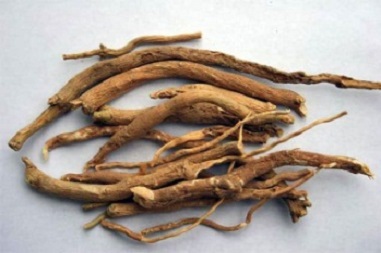
Natural supplements had been another widespread natural treatment mentioned by members. Many individuals reported using herbs equivalent to St. John’s Wort, chamomile, and valerian root to assist handle anxiety and promote relaxation. Whereas some participants noted constructive effects, others expressed warning, emphasizing the necessity for professional steerage when incorporating supplements into their routines. A participant remarked, ”I discovered that valerian root helped me sleep better, but I was careful to consult with my doctor first.”
Mindfulness and Meditation
Mindfulness practices, including meditation and yoga, emerged as significant parts of the individuals’ recovery journeys. Many individuals described how these practices helped them develop a healthier relationship with their bodies and meals. One participant shared, ”Yoga taught me to listen to my body as a substitute of combating against it. It was liberating to move with out judgment.” Participants reported that mindfulness helped reduce anxiety and improve emotional regulation, contributing to a extra balanced method to eating.
Holistic Therapies
A number of individuals explored holistic therapies resembling acupuncture, aromatherapy, and therapeutic massage. These therapies had been typically used at the side of other pure treatments and were perceived as useful for promoting relaxation and decreasing stress. One participant noted, ”Acupuncture sessions had been a protected area for me to unwind. It helped me feel extra related to my physique.”
Challenges and Concerns
Despite the constructive experiences shared by participants, a number of challenges were noted. The lack of regulation in natural treatment practices raises issues about security and efficacy. Members emphasized the significance of looking for guidance from qualified practitioners to avoid potential risks. Additionally, some individuals expressed frustration with the limited availability of natural treatment assets, significantly in rural areas.
Conclusion
This observational research highlights the numerous vary of natural treatments that individuals with eating disorders have explored in their restoration journeys. Dietary adjustments, natural supplements, mindfulness practices, and holistic therapies emerged as significant parts of their experiences. While many contributors reported optimistic outcomes, caution concerning the unregulated nature of those treatments is warranted. As the sector of consuming disorder treatment continues to evolve, integrating pure approaches with conventional strategies may offer a extra comprehensive path to restoration. Future research should concentrate on the efficacy and security of specific pure treatments, as properly because the experiences of various populations of their recovery journeys.
In conclusion, the exploration of pure treatments for consuming disorders gives precious insights into various approaches which will enhance restoration for people in search of holistic care. By fostering an understanding of these methods, we can empower people to make informed choices about their well being and well-being.
No listing found.